



By Pat Trevino | 9/15/2026
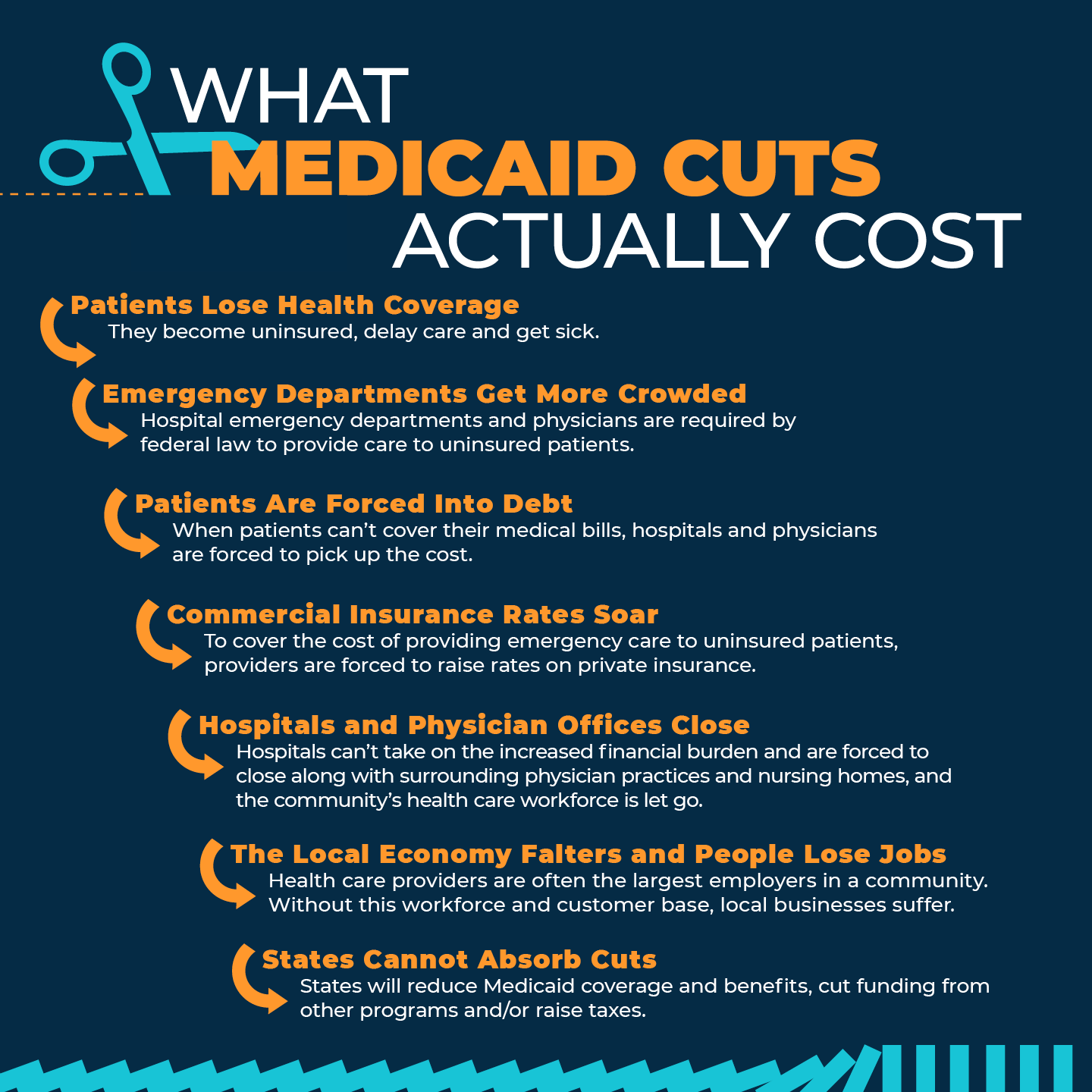
Major Medicaid reductions scheduled for November are raising alarms across rural Texas, and Cuero Regional Hospital is among the facilities bracing for impact. Earlier this year, hospital board member Kay Sheppard issued a clear warning: cuts to Medicaid reimbursement would hit rural communities first, straining emergency services, increasing uncompensated care, and threatening the long‑term stability of small hospitals.
Her concerns are now resurfacing as federal budget decisions come into focus. According to publicly available budget documents and reporting from multiple national outlets, recent federal spending packages shifted billions of dollars toward expanded immigration enforcement, detention operations, and private‑contractor housing facilities. Those increases were paired with reductions or caps in several domestic programs — including Medicaid reimbursements.
Supporters of the federal spending changes argue that the immigration measures were necessary to address border security and humanitarian challenges. Critics counter that the reallocation diverts essential healthcare funding away from vulnerable communities, funneling large sums to private companies that manage detention and housing operations.
POLITICAL ADVERTISEMENT

Sheppard’s earlier message emphasized that Cuero Regional Hospital already operates on narrow margins. Medicaid plays a critical role in stabilizing emergency care, inpatient services, and long‑term treatment for seniors, disabled residents, and working families. When reimbursement drops, rural hospitals face immediate pressure:
- uncompensated care rises,
- preventive care declines,
- chronic conditions worsen,
- and the risk of service cuts or closures increases.
For communities like Cuero, the stakes are high. Losing access to local healthcare forces residents to travel long distances for basic treatment — a burden that disproportionately affects low‑income families and seniors.
Local leaders are urging residents to stay informed as November approaches and to contact state and federal representatives with concerns. Sheppard’s warning remains central: rural hospitals cannot absorb major funding losses without consequences for the communities they serve.
As the cuts take effect, Cuero Regional Hospital continues evaluating how to maintain essential services while navigating reduced reimbursement. The situation highlights a broader national debate about federal spending priorities — and the real‑world impact those decisions have on rural Texas.