



By Pat Treviño | Cuero Online News | Aug 9, 2026
New York and Texas are moving in opposite directions on cannabis policy, creating a stark contrast between a state expanding legal access and another imposing some of the nation’s harshest criminal penalties for THC products. The divide has left many Texans confused — especially as the Texas Department of Agriculture continues to promote hemp farming. At the same time, state criminal laws treat many hemp‑derived products as illegal drugs.
New York Opens Doors for Small Cannabis Businesses
On August 6, New York Governor Kathy Hochul signed S.10113/A.11217, a bill designed to strengthen the state’s regulated cannabis market by expanding opportunities for licensed microbusinesses. The new law allows these small operators to sell cannabis products at Cannabis Showcase Events, including farmers’ markets, pop‑ups, and public market venues.
State officials say the goal is to help small entrepreneurs reach consumers directly, especially those without large marketing budgets or retail access.
“This new law gives licensed microbusinesses and dispensaries a real chance to succeed in New York’s legal cannabis market,” Hochul said in a statement. Regulators emphasized that the showcase program will expand consumer access to tested, regulated, and legal cannabis products.
Under the new rules, New Yorkers can legally purchase items such as:
- THC gummies
- Cannabis brownies
- THC‑infused drinks
- Vape cartridges
- Flower and pre‑rolls
All of these products can be sold at approved community events, provided they come from licensed operators.
Texas Takes the Opposite Approach: Severe Penalties for THC Products
While New York expands access, Texas continues to enforce strict criminal penalties for THC — even when the products are sold as “hemp” under federal law.
Texas law treats many common consumer items as illegal THC concentrates, including: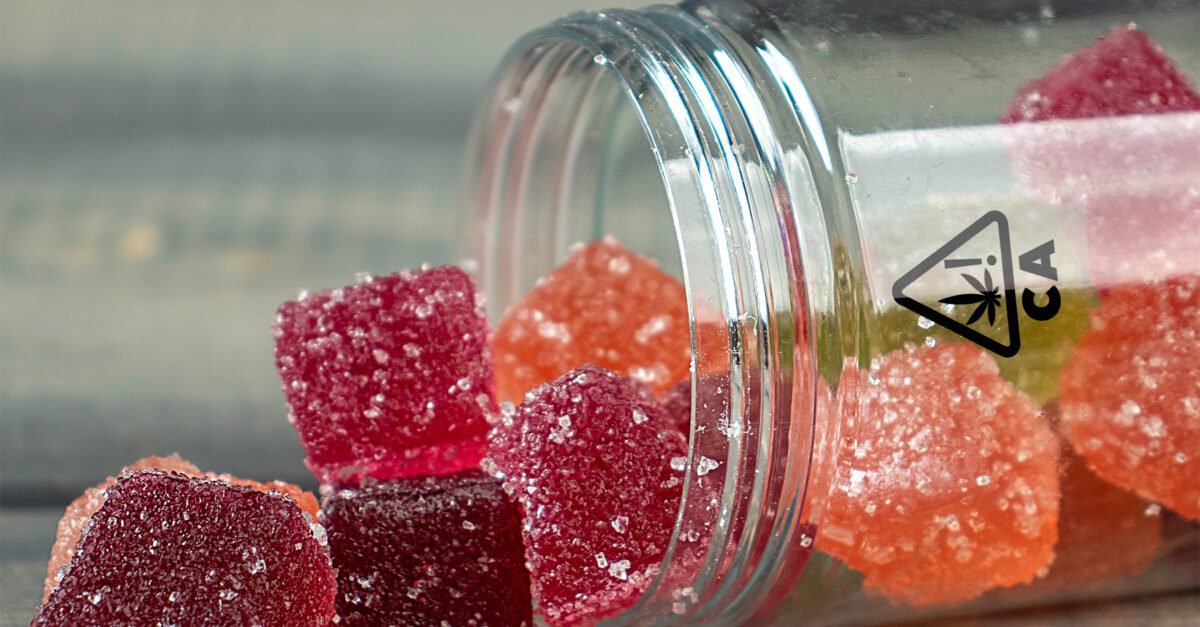
Gummies (Delta‑8, Delta‑10, THCP, THCA, or THC)
If the gummy is roughly the size of a Jolly Rancher and contains concentrated cannabinoids, Texas law can classify it as a State Jail Felony, punishable by:
- 180 days to 2 years in state jail
- Up to $10,000 in fines
Texas counts the entire weight of the gummy, not the THC inside it.
Brownies or Edibles
A single brownie containing hemp‑derived cannabinoids can trigger the same felony penalties because Texas treats edibles as THC concentrates.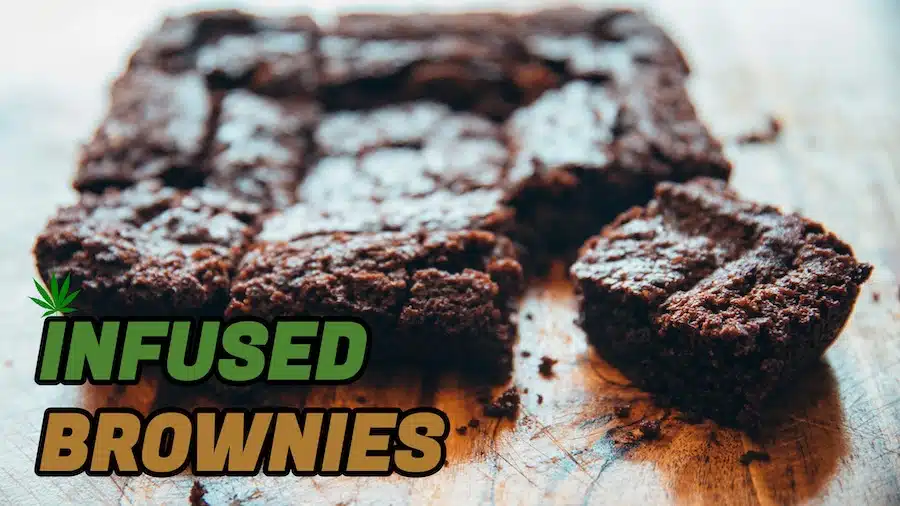
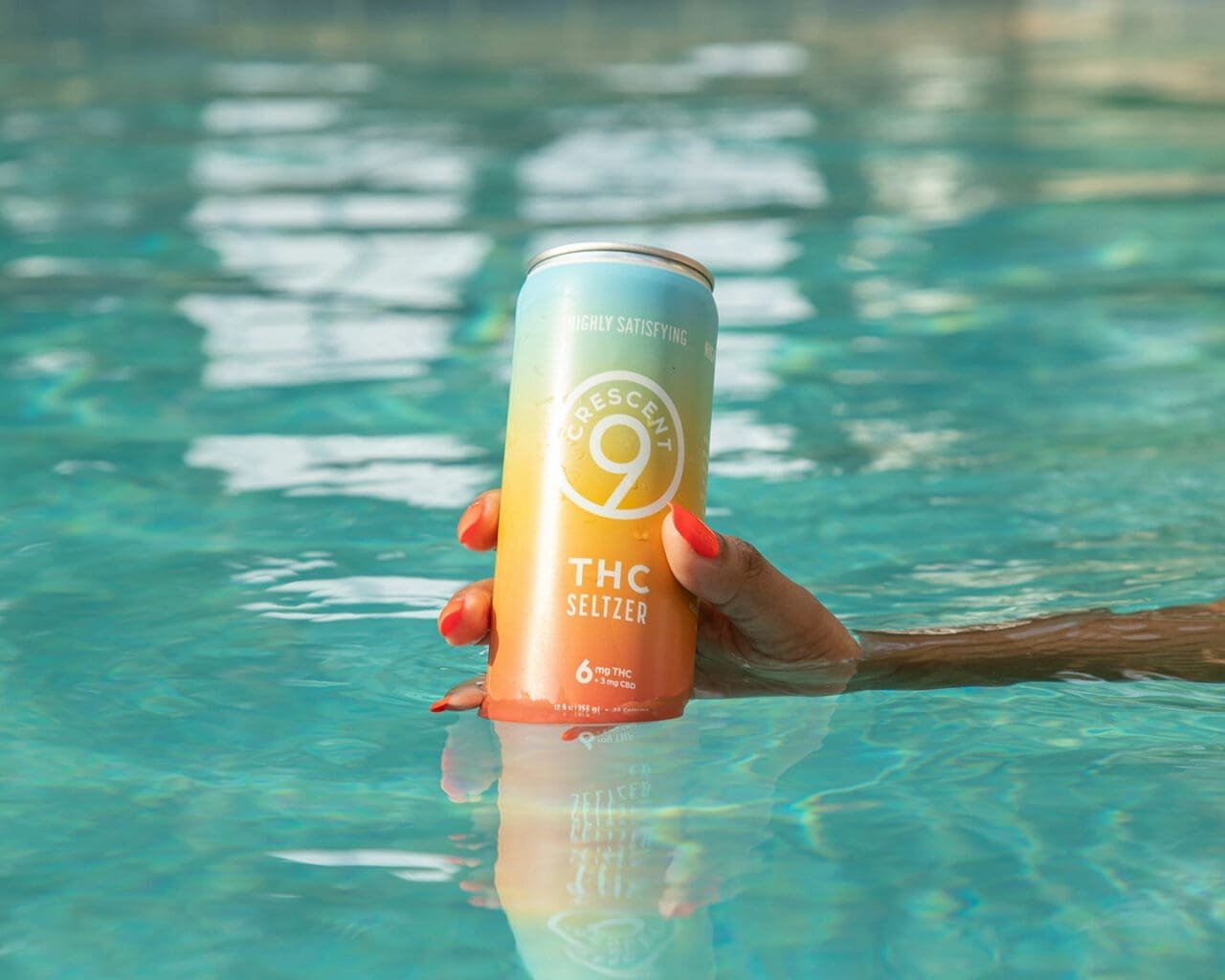
THC or Delta‑8 Drinks
Drinks often contain concentrated cannabinoids. Under Texas law, these can lead to:
- Felony charges
- 2 to 20 years in prison, depending on total weight
Vape Cartridges
Most vape cartridges contain 50–90% cannabinoids. Texas counts all of this as illegal THC.
Penalties range from:
- State Jail Felony to
- Second‑Degree Felony (2–20 years in prison)
Texas also counts all THC isomers — Delta‑8, Delta‑10, THCP, THCA — as illegal THC, even though these products are sold openly in stores.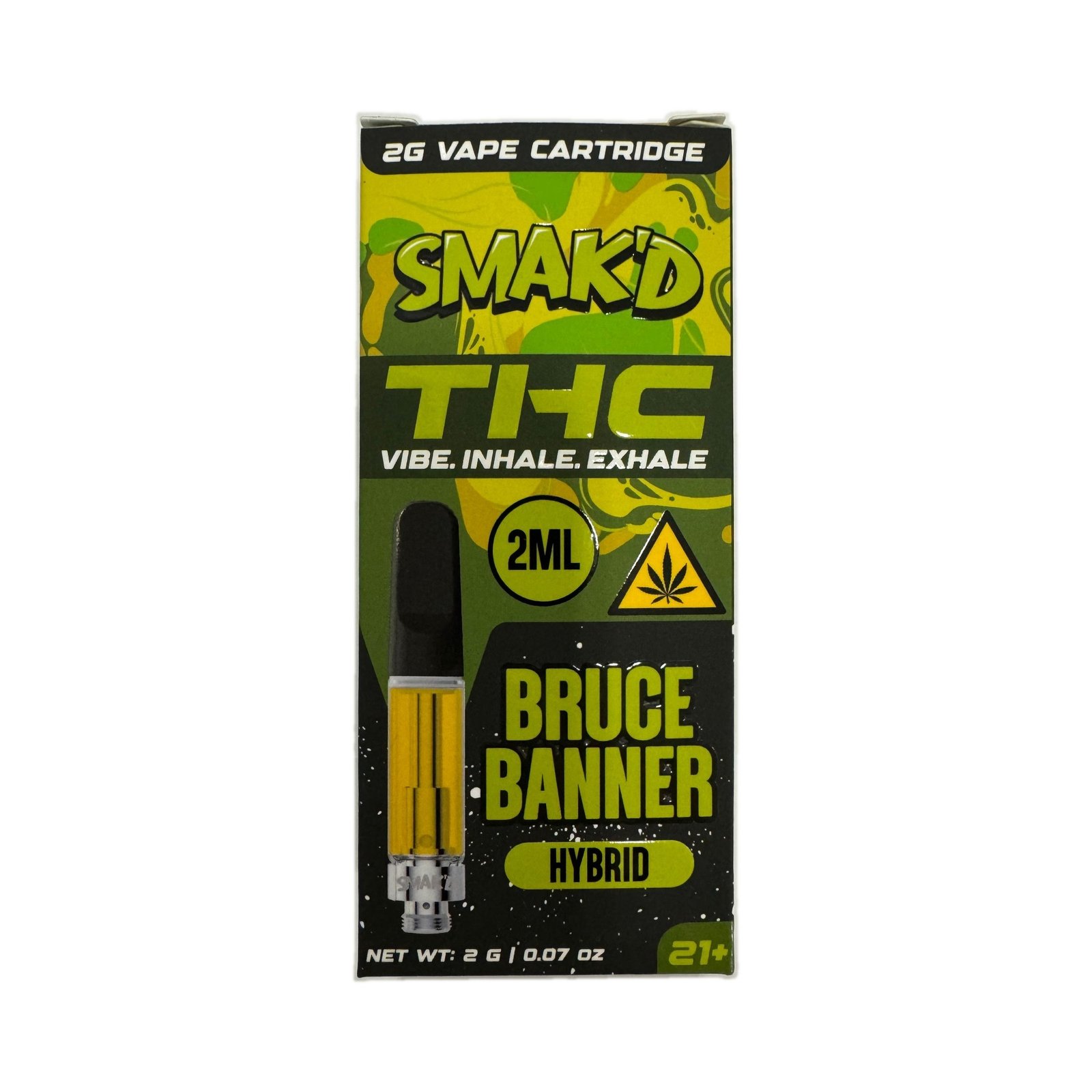
Why Texans Are Confused: Sid Miller’s Hemp Promotion
The contradiction grows sharper because Texas Agriculture Commissioner Sid Miller continues to promote hemp farming through state programs and public messaging. His office advertises “Path to Hemp” initiatives, encouraging farmers to grow hemp as a legal agricultural crop.
Under federal law, hemp is legal if it contains less than 0.3% Delta‑9 THC. Hemp can be used for:
- Fiber
- Grain
- Building materials
- Textiles
- Industrial products
- Research
However, Miller’s office does not regulate criminal penalties, THC enforcement, or consumer hemp products. Those fall under:
- The Texas Legislature
- The Department of Public Safety
- Local prosecutors
- The Governor’s office
As a result, Texas simultaneously:
- Promotes hemp farming, while
- Criminalizing many hemp‑derived consumer products.
This disconnect has left consumers, retailers, and even some law enforcement agencies struggling to interpret the law.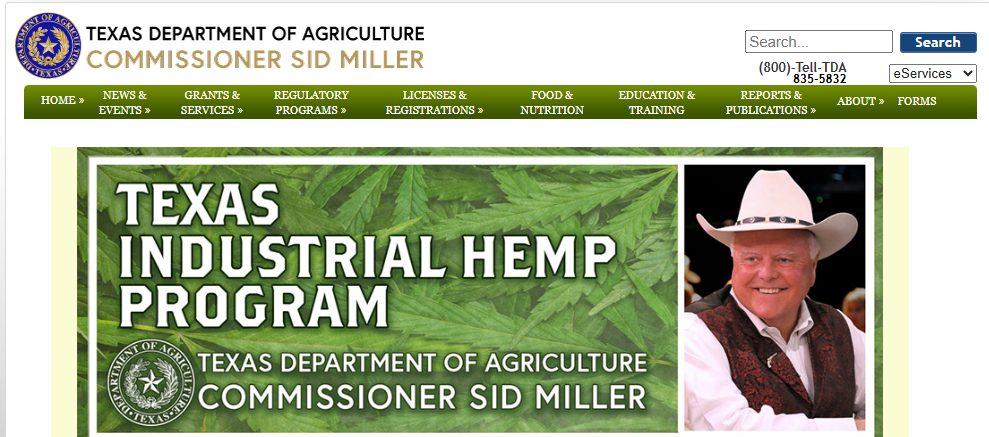
Two States, Two Philosophies
New York
- Treats cannabis as a regulated agricultural and retail product
- Supports small businesses and micro‑entrepreneurs
- Allows THC gummies, drinks, brownies, vapes, and flower at public events
- Focuses enforcement on shutting down unlicensed shops
Texas
- Treats THC as a controlled substance
- Criminalizes many hemp‑derived products
- Imposes felony penalties for gummies, drinks, brownies, and vapes
- Promotes hemp farming but not hemp consumer products
- Offers no legal recreational cannabis market
A Growing Policy Divide
As New York expands legal access and encourages small cannabis businesses to participate in community markets, Texas continues to enforce strict criminal penalties for THC products — even those sold as “hemp.” The conflicting messages from state agencies, combined with the open sale of hemp products in Texas stores, have created widespread confusion among consumers.
For now, Texans remain caught between a federally legal hemp industry and a state criminal code that treats many hemp‑derived products as illegal drugs, while states like New York move forward with regulated, community‑centered cannabis markets.
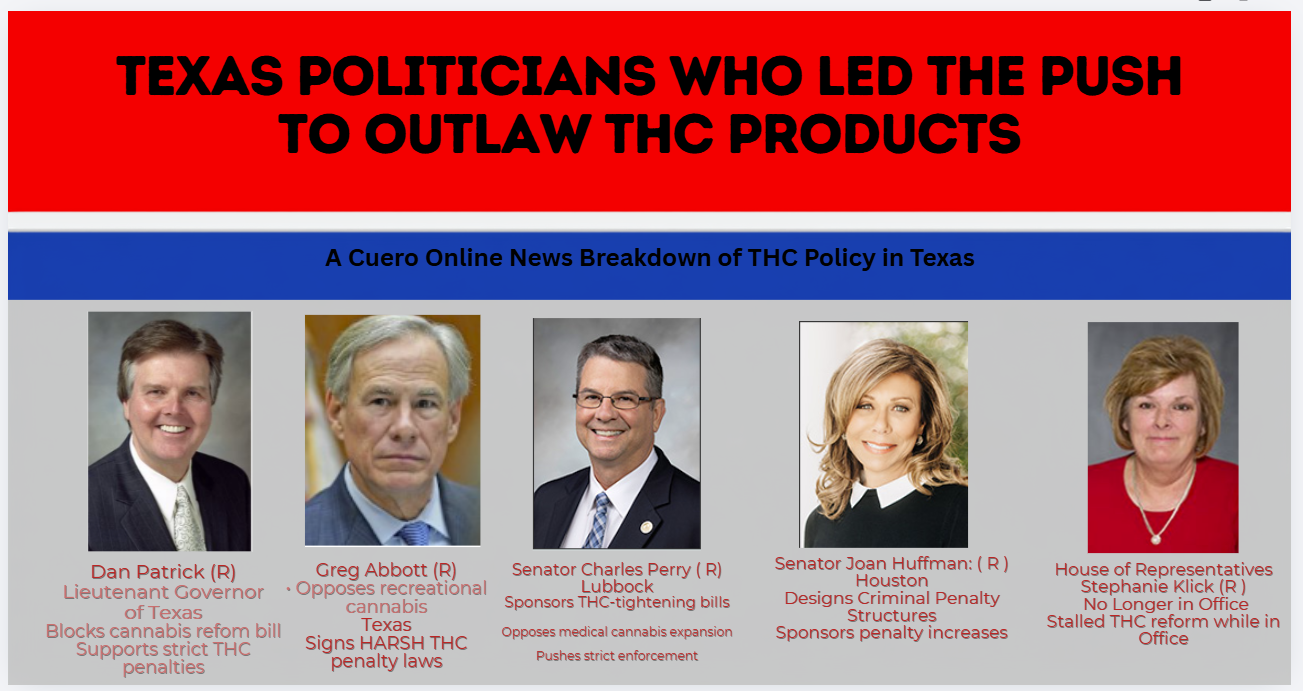
The government spends taxpayer money on systems that end up profiting the prison industry. Texas politics are dominated by Republicans. People should sue because cannabis users aren’t all criminals. The War on Drugs has been proven ineffective and costs billions, so it should be shut down.