



By Pat Trevino | 10/10/26 Cuero Online News
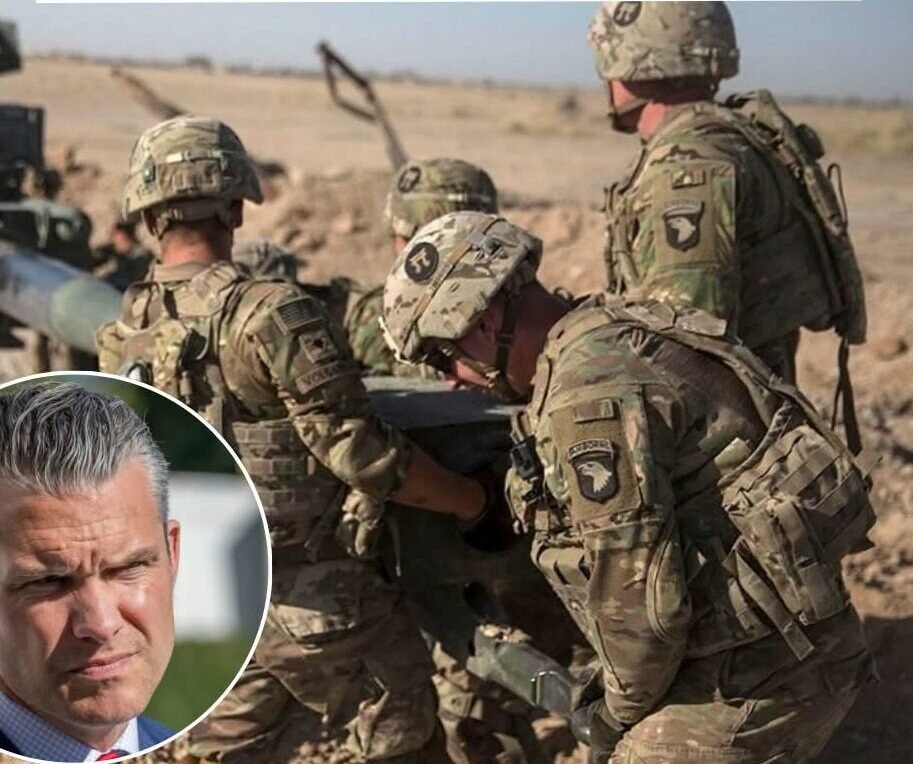
A quiet but powerful act of conscience is unfolding inside the U.S. military. At least six service members — and possibly more than 180 — are preparing to seek religious exemptions from participating in the planned firing‑squad execution of Nidal Hasan, scheduled for December 3 at Fort Hood. Their objections are not about defending Hasan but about defending their own moral integrity. These soldiers, Catholic and Protestant alike, are raising a question that reaches far beyond military protocol, asking whether any human being should be compelled to participate in a televised execution.
Their concerns come as Catholic bishops condemn the plan, Senator Mark Kelly calls for Defense Secretary Pete Hegseth’s removal, and JD Vance publicly states he will not watch. The controversy is no longer about Hasan alone; it is about what kind of nation we become when an execution is turned into a public spectacle.
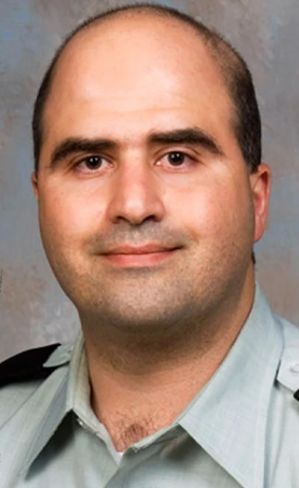
Hasan was a U.S. Army psychiatrist who had treated soldiers returning from Iraq and Afghanistan. Over time, he became deeply disturbed by what he saw as the moral and spiritual consequences of those wars. Hasan’s writings and statements before the attack showed that he viewed himself as defending Muslims from what he considered unjust wars. He believed killing soldiers preparing to deploy overseas would prevent further harm to Muslims abroad. That distorted reasoning — combined with his growing isolation, resentment, and radicalization — led him to open fire on his fellow service members at Fort Hood, killing 13 and wounding 32.
Many Americans grew up hearing the Sixth Commandment as “Thou shalt not kill,” yet the original Hebrew says something very different. The commandment reads Lo tirtzach, meaning “You shall not murder,” a word that refers specifically to unlawful or immoral killing. The Hebrew Bible uses another term for killing in war, self‑defense, or judicial punishment, which is why the Old Testament permits capital punishment in certain circumstances, allows warfare under strict moral conditions, and distinguishes between accidental killing, combat, and murder. When these soldiers say the commandment conflicts with participating in a firing squad, they are not claiming the Bible forbids all killing; they are saying this particular act feels like murder, not lawful combat or defense, but a personal, punitive killing carried out in front of cameras. One soldier reportedly told advocates he does not want his children watching him pull the trigger, a statement that reveals not a legal argument but a profound moral injury.
Catholic teaching helps explain why two of the objecting soldiers feel torn. For centuries the Church permitted capital punishment in rare cases, believing it could be justified when no other means existed to protect society. Over time, especially in the modern era, the Church’s position shifted. Today the Catechism teaches that the death penalty is inadmissible because it violates the dignity of the human person. Catholic bishops have already condemned the plan to livestream Hasan’s execution, arguing that broadcasting a killing violates the Church’s insistence that even the guilty possess God‑given dignity. Catholic moral theology also holds conscience as sacred, meaning a Catholic may not participate in an act they believe is intrinsically immoral. Forcing a Catholic soldier to take part in a televised killing places them in direct conflict with their faith.
Protestant traditions vary widely on capital punishment, with some denominations supporting it as a legitimate function of government, others opposing it entirely, and many falling somewhere in between. Yet across Protestant ethics, one theme is remarkably consistent: executions must never become entertainment. Public spectacle is condemned in nearly every major Protestant tradition, and for Protestant soldiers the issue is not only the killing but the broadcasting, the sense that the state is asking them to participate in something that resembles vengeance rather than justice.
Jewish teaching adds another dimension. While Jewish law technically permits capital punishment, the rabbis placed so many restrictions on its use that it became nearly impossible to carry out. They required multiple eyewitnesses, unanimous agreement, and advance warnings, and they considered a court that executed more than once in seventy years to be bloodthirsty. Judaism teaches that taking a life must never be done lightly, publicly, or triumphantly, and a livestreamed execution would violate the spirit of Jewish ethics, which emphasize restraint, solemnity, and the preservation of human dignity even for the guilty.
There is another layer to this crisis that goes beyond religion. Religion often teaches obedience — do this or be punished, follow the rule or face consequences — but morality is different. Morality is doing the right thing because it is right, not because one fears hell or hopes for heaven. These soldiers are not refusing out of fear; they are refusing out of conscience. They are not rejecting this assignment because their religion demands obedience, but because their morality demands integrity. That distinction matters. It is the difference between following orders and being human.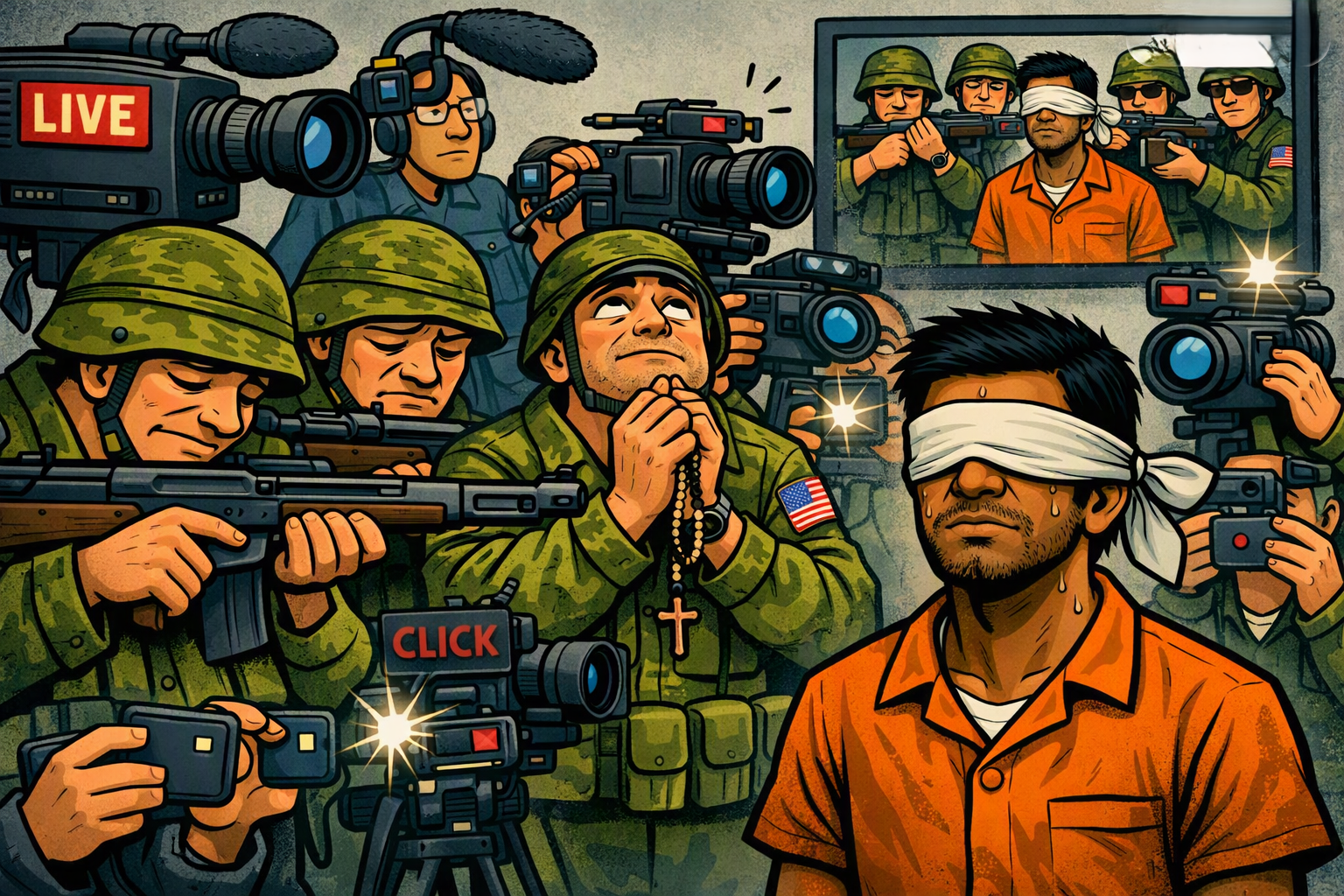
Soldiers are trained to kill in war, but under strict moral conditions, in defense of others, under lawful authority, and in situations where killing is not personal. A firing squad is different. It requires a soldier to aim at a restrained, defenseless human being and pull the trigger. It is not combat, not defense, not chaotic or accidental, but deliberate, intimate, and final. When cameras are added, when the timing is chosen to match the moment Hasan began his attack, when the act is prepared for public viewing, the execution begins to resemble vengeance rather than justice. For many soldiers, that crosses the line from killing to murder, not legally, but morally.
Whatever one’s views on capital punishment, the decision to broadcast the execution is the most disturbing element. Livestreaming risks turning justice into entertainment, exposes children to violence, invites political exploitation, and degrades the dignity of everyone involved, including the executioners. It places service members in a position no American soldier has ever faced, being filmed while killing a restrained prisoner. That is not justice; that is spectacle. And these soldiers — Catholic, Protestant, and Jewish alike — are right to question it.
And maybe that is what strikes me most deeply about their stand. I have been Catholic for sixty‑seven years, and all my life I have believed capital punishment to be nothing more than legalized murder, not justice, but murder carried out with paperwork. The Church once tolerated the death penalty in rare cases, but today it teaches what many of us have always known in our hearts, that human dignity does not disappear, even in the guilty. These service members are not refusing out of fear of hell or hope for heaven; they are refusing because conscience still matters, because morality is not obedience, because doing the right thing is supposed to come from the soul, not from the threat of punishment. And when the government asks its soldiers to kill a restrained man on camera for the nation to watch, it is not just the condemned whose dignity is at stake — it is ours.