



By Pat Trevino | Aug 30, 2026
Texas is facing one of its most active measles years in more than a decade, with state health officials confirming 191 cases statewide as of late August. The resurgence, driven by pockets of low vaccination rates and several large outbreaks, has placed Texas among the nation’s measles hotspots in 2026.
The most significant cluster continues in Hudspeth County, where more than 130 cases have been linked to transmission inside federal detention facilities. El Paso County has reported two dozen additional cases, and smaller outbreaks have appeared in Rockwall, Harris, Montgomery, and several rural counties. Public‑health investigators say the pattern reflects a mix of imported infections and local spread in communities with lower immunization coverage.
Despite the statewide rise, DeWitt County remains measles‑free. The latest report from the Texas Department of State Health Services lists zero confirmed cases in DeWitt County for 2026. Region 8, which includes Cuero and surrounding counties, has seen only a handful of isolated cases—none of them close enough to suggest local transmission risk.
Health officials emphasize that DeWitt County’s position is strong compared to many parts of Texas. While the state continues to battle outbreaks in both urban and rural areas, DeWitt has not recorded a single case this year, and no school‑related exposures have been reported.
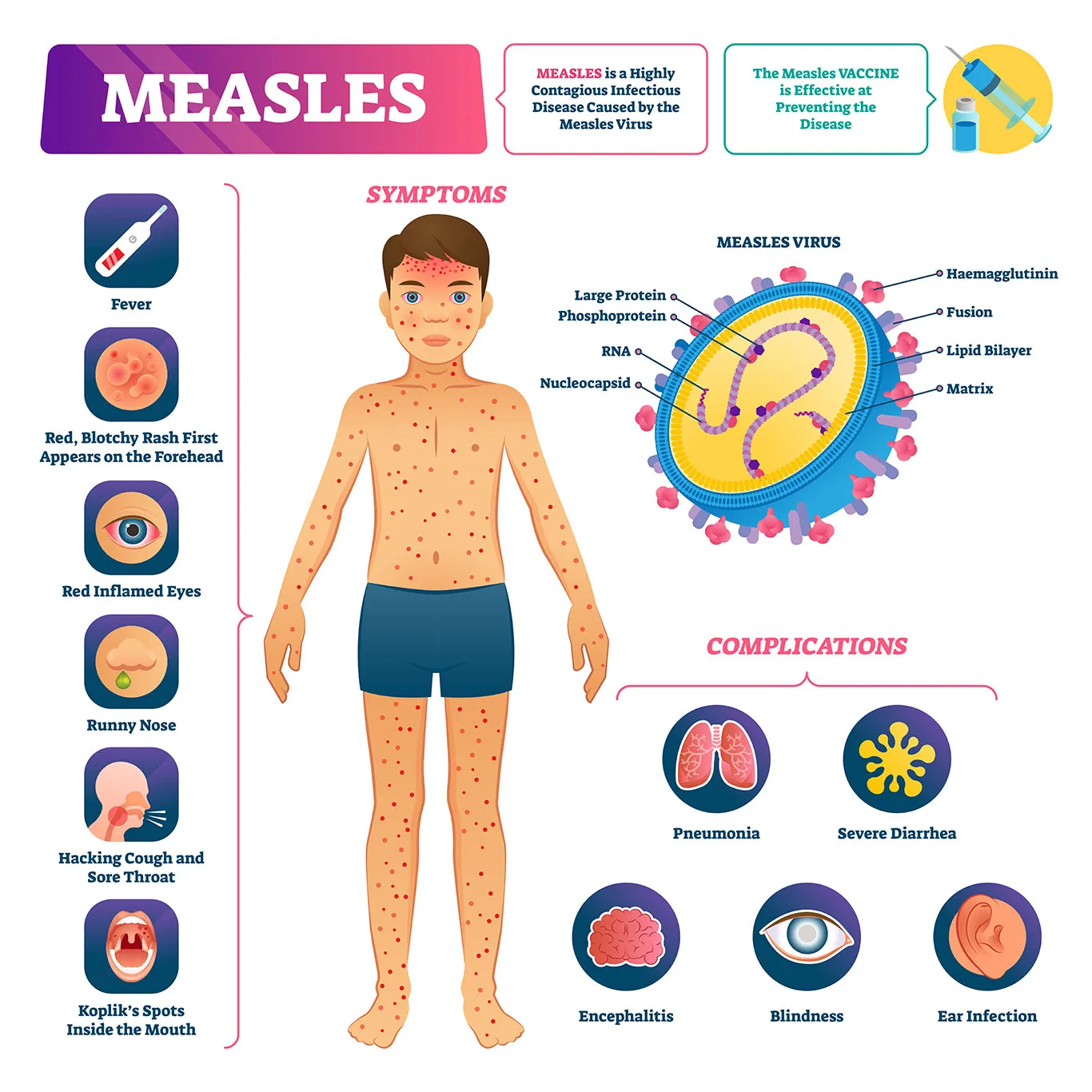
Still, the statewide trend has prompted renewed reminders from DSHS: measles remains one of the most contagious viruses known, and vaccination rates are the strongest predictor of community protection. With school back in session, state officials are urging families to check immunization records and ensure children are up to date.
For now, DeWitt County stands in sharp contrast to the statewide surge—a calm spot in a year of rising measles activity across Texas.
Political advertisment