



POLITICAL ADVERTISEMENT
In a world filled with corruption, favoritism, and lies, voters have every reason to ask: How do you measure integrity? One way is to look at a person’s deeds—what they do when the stakes are high and when it would be easier to stay quiet. Scripture tells us we are judged according to our deeds, and that is the standard by which I invite people to measure my ability to serve DeWitt County.
What integrity looks like
- Fairness: Treating people the same, regardless of race, status, or connections
- Courage: Standing your ground when authority is misused
- Procedure: Insisting that rules and rights are followed, especially for minors
- Empathy: Recognizing human suffering and refusing to add to it
- Protection: Shielding vulnerable people from intimidation and unjust treatment
I am not perfect, and I am not a saint. What I am is deeply empathetic to human suffering and committed to protecting people from unjust treatment—whether in a courtroom, in dealings over state and federal grants, or in my own front yard.
A real example: the Cuero minor burglary investigation
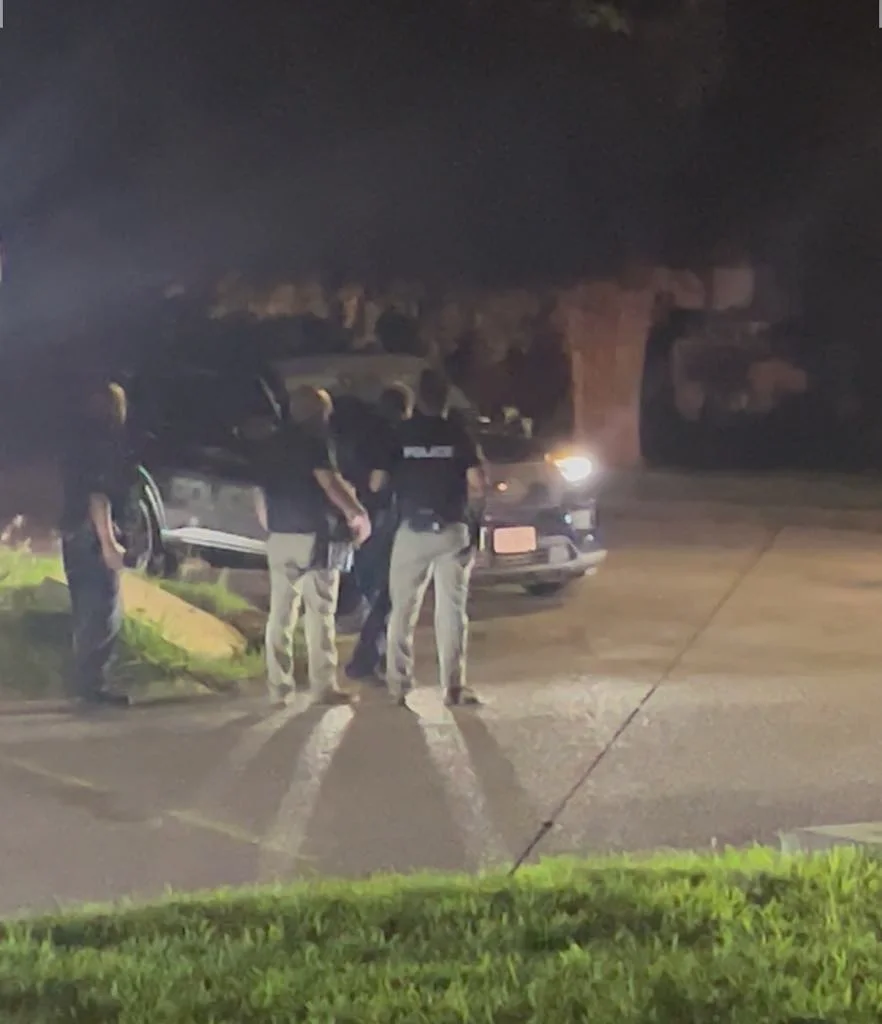
On June 6, 2025, while I was working late for Cuero Online News, my home became the center of a tense police encounter:
- Time and setting: Nearly 2:00 a.m., I was at my desk when my front door jiggled.
- Who was involved: My grandson’s 14‑year‑old friend, who had stayed the night after a football game.
- Police presence: Four or five patrol cars lined the street; officers were in my yard, one shining a flashlight directly into my face despite the porch light being on.
- Officer conduct:
- Officer Kuecker refused to lower the blinding flashlight.
- Officers claimed the boy matched a burglary suspect description.
- I knew the boys had been at a game until late and that the minor had been upstairs on the balcony, with no way to exit unnoticed.
- Escalation:
- My son‑in‑law arrived and calmly tried to clarify the timeline.
- Officer Cantu suddenly accused him of “threatening” another officer.
- Cantu then threatened that if the boys were “involved,” every adult present could be charged with felony interference in an investigation.
- Key issue: The description officers were working from was essentially “a black individual”—raising serious concerns about racial profiling and targeting.
In that moment, I:
- Refused to allow officers to question a minor without parental consent.
- Insisted on the boy’s rights and on proper procedure.
- Documented the encounter and later published it so the community was made aware of what happened.
I didn’t do it for politics. I did it because:
- A child was vulnerable.
- The power imbalance was obvious.
- The conduct crossed the line from investigation into intimidation.
Why this matters to voters
If people want to know how to measure integrity, they can look at:
- Who you protect when you have nothing to gain.
- Whether you stand up to intimidation and misuse of authority.
- Whether you insist on fairness and due process, even at 2:00 a.m. on my own front lawn.
That night on Gonzales and Newman wasn’t a slogan. It was a deed. And deeds are how integrity is measured.
POLITICAL ADVERTISEMENT
Article regarding incident: