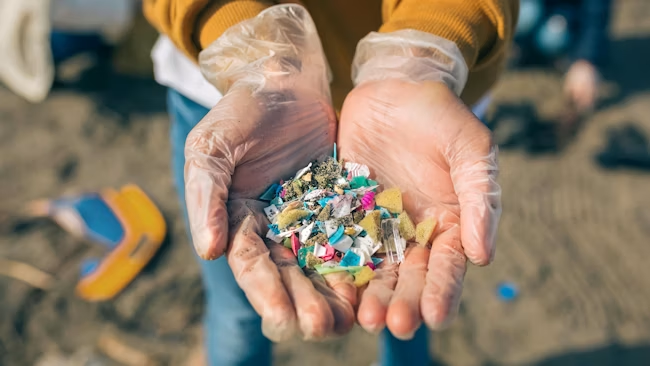
The coalition, led by Jeff Jackson, submitted comments supporting EPA’s proposal to include microplastics on the draft Sixth Contaminant Candidate List (CCL 6), which identifies contaminants that may require future regulation under the Safe Drinking Water Act. The attorneys general argued that while inclusion on the CCL is an important step, EPA should also add microplastics to UCMR 6 to collect nationwide occurrence data that could inform future drinking water standards.
According to the letter, microplastics have been detected in tap water and bottled water worldwide, and studies suggest the particles may contribute to cellular and tissue damage while also serving as carriers for other contaminants. The coalition noted that concentrations of microplastics in water are expected to increase as plastic pollution continues to accumulate.
In addition to monitoring, the attorneys general called on EPA to establish a consistent federal definition of microplastics and develop standardized methods for detection, characterization and treatment evaluation. They said these actions would help lay the groundwork for future regulation if warranted by the science.
Jackson said expanding monitoring would improve understanding of the prevalence and potential health impacts of microplastics in drinking water. The comment letter was also signed by the attorneys general of California, Connecticut, Delaware, the District of Columbia, Illinois, Maryland, Massachusetts, Michigan, New Jersey, New York, Oregon, Vermont, Virginia and Wisconsin.
Microplastics emerge as a key drinking water challenge as regulators grapple with definitions and detection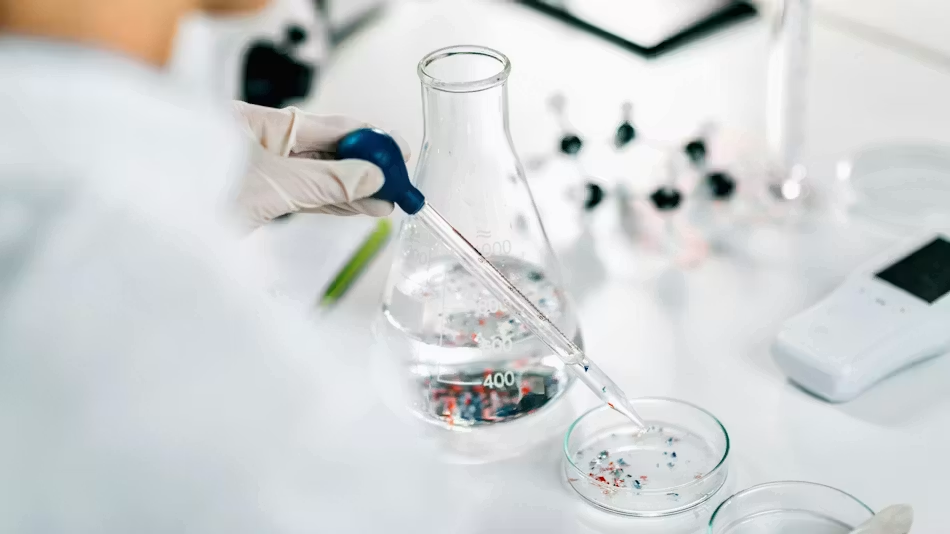
As microplastics gain regulatory attention, key issues such as detection limitations, scientific knowledge gaps and the development of standardized definitions rise to the top of the discussion.
Key Highlights
- Microplastics are increasingly being scrutinized by regulators, with EPA considering them for future drinking water standards.
- Defining microplastics remains complex, with varying size thresholds and criteria across organizations, complicating regulation and monitoring efforts.
- Current detection technologies face limitations, especially in identifying nanoplastics, necessitating the development of faster, more sensitive analytical methods.
Source: WaterWorld /WasteWater Digest News