



By Pat Trevino | July 9, 2026
Cuero, Tx-Cuero ISD’s recent layoffs and abrupt reassignments are not isolated events. They are part of a statewide pattern created by deliberate policy choices in Austin — choices that have left Texas public schools underfunded, unstable, and forced to cut staff. The district confirmed that 20 employees were released and that every campus felt the impact, but the roots of the crisis reach far beyond Cuero.
At the center is the basic allotment, the foundational per‑student amount Texas uses to fund public schools. It has remained frozen at $6,160 since 2019, despite inflation, rising costs, and statewide staffing shortages. Texas lawmakers have repeatedly refused to increase it. The freeze is not a bureaucratic oversight — it is the result of political decisions made at the highest levels of state leadership.
Texas is a wealthy state. It has one of the largest economies in the country, massive oil and gas revenue, and a multibillion‑dollar surplus in recent years. Yet Texas consistently ranks near the bottom in per‑student funding. The contradiction is rooted in how the state chooses to fund public education — and in the political decisions made by state leadership.
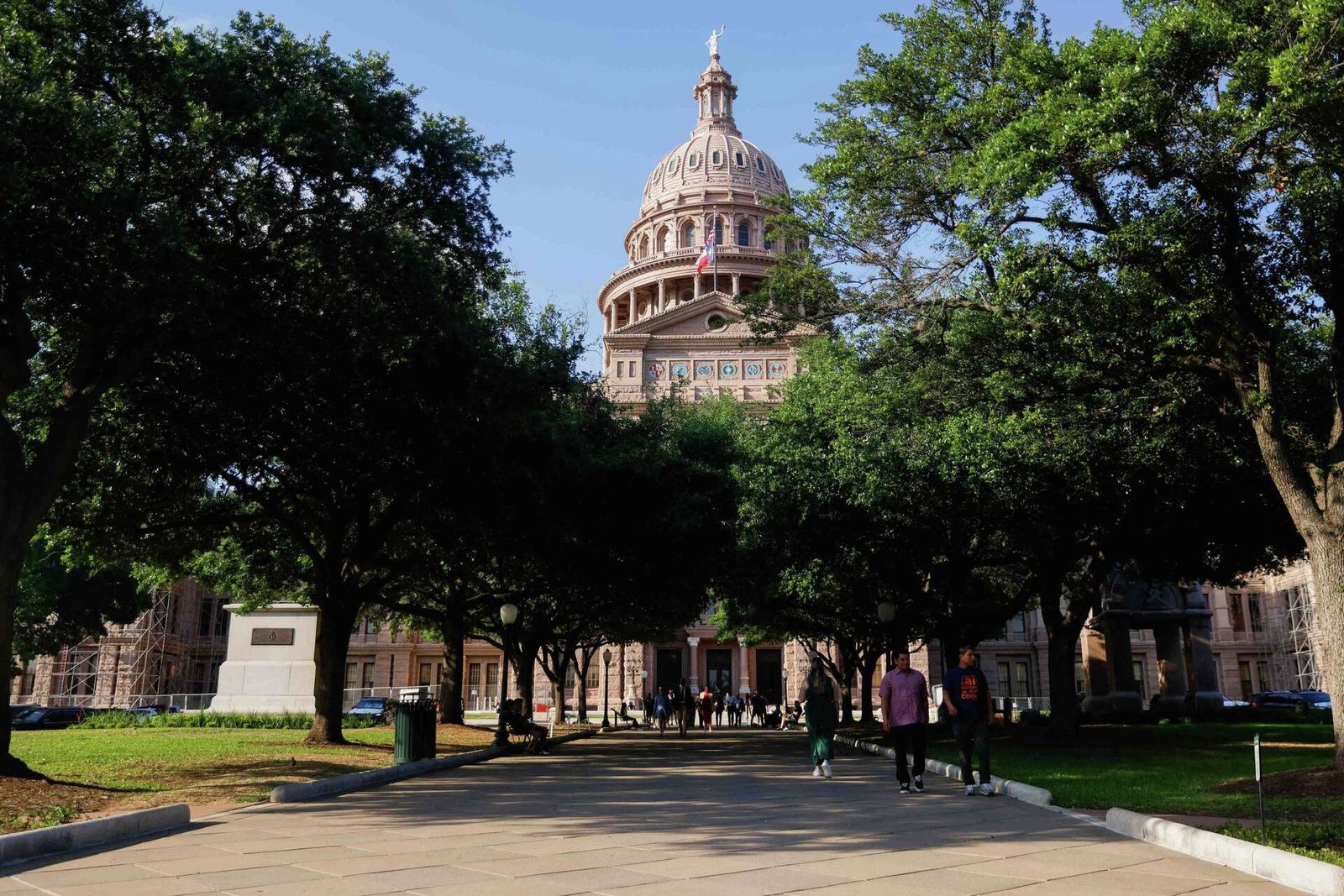
For the past several legislative sessions, Governor Greg Abbott has made the creation of a statewide voucher program his central political objective, elevating it above all other education priorities. That push became the defining battle of the 2023 legislative year. When the Texas House — including a bloc of rural Republicans who argued vouchers would drain resources from their already underfunded districts — refused to advance the proposal, the Governor responded by withholding support from major public‑school funding legislation. Measures that would have increased the basic allotment, provided teacher raises, strengthened rural‑district support, and expanded special‑education resources were left to stall or die outright as the voucher fight consumed the session.
As a result, none of the anticipated funding increases passed. The basic allotment remained frozen at $6,160, unchanged since 2019 despite inflation, rising operational costs, and statewide staffing shortages. Districts entered the next school year with no new state funding, even as their expenses continued to climb. Superintendents across Texas have stated publicly that the political standoff over vouchers directly prevented the Legislature from delivering the financial support schools urgently needed.
Cuero ISD’s interim superintendent, Bill Hefner, cited a “big drop in fund balance” and declining enrollment as immediate causes of the district’s cuts. Under Texas law, funding is tied to average daily attendance, meaning even small enrollment declines can create significant losses. Hefner emphasized that public‑school funding is determined by state formulas, not local school boards, and said the district must stabilize its finances moving forward.
But the statewide context makes clear why stabilization has become nearly impossible. Texas now ranks near the bottom nationally in per‑student funding. According to national comparisons, Texas spends roughly $4,000 to $5,000 less per student than the U.S. average. States such as New York, New Jersey, and Massachusetts invest nearly double what Texas allocates. Even neighboring states — including Arkansas and New Mexico — have increased their per‑student funding more aggressively in recent years.
The consequences are visible across Texas: layoffs, campus closures, reductions in special‑education staffing, and cuts to essential programs. Rural districts, which rely heavily on state funding, have been hit hardest.
In Cuero, the impact has been immediate and personal. One employee who worked in the Special Education department said she was told her position was being eliminated and that she would be reassigned, but she has not yet received any details about what that reassignment entails. Another longtime employee with ten years of service declined the reassignment.
Sandra Mathis Lott, who spent 20 years in the Physical Education department, said she was contacted directly by the superintendent and informed she was being reassigned to ISS. She said she was blindsided by the notification and had no prior indication her position was at risk. She too declined the reassignment.
Hefner maintains that district policies were applied consistently and that required positions for special education and other programs remain in place, though personnel assignments have changed. He also said the district will continue seeking savings in non‑personnel areas such as energy and utilities.
Still, the broader reality is unavoidable: Cuero ISD is navigating a statewide funding crisis created by political decisions in Austin. The frozen basic allotment, the stalled funding bills, and the prolonged fight over vouchers have all contributed to the financial strain now unfolding in schools across Texas.
Cuero ISD is not alone. It is one of hundreds of districts now forced to make cuts because the state has chosen not to increase funding. The public deserves to understand that these local layoffs are the direct result of statewide policy choices — choices made by leaders who have prioritized vouchers over public‑school stability.
Cuero Online News will continue to follow developments as districts, lawmakers, and communities confront the growing challenges of Texas public‑school funding.