



Cuero Online News Editorial
Published October 3, 2025
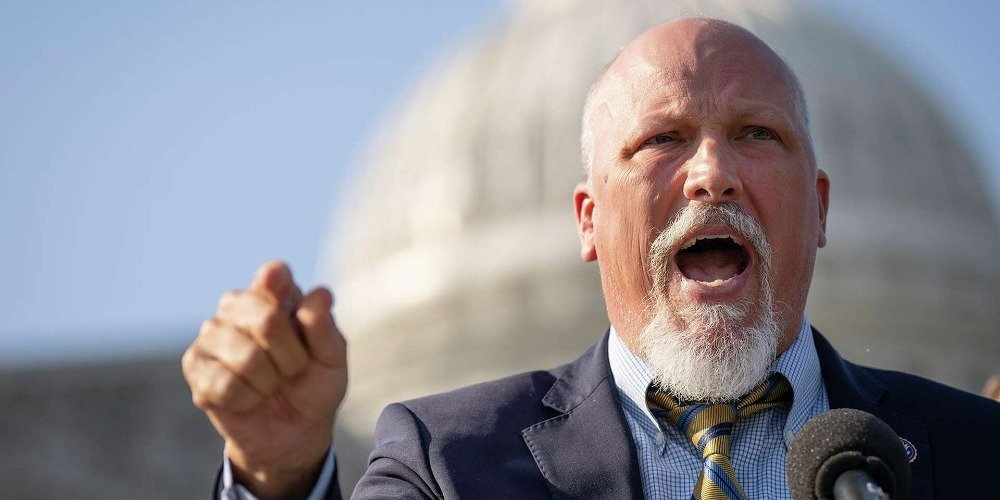
Texas lawmakers say they stand for law and order, but some are pushing bills that target the very groups exposing domestic terrorism. Organizations like the Southern Poverty Law Center (SPLC), known for tracking white supremacist violence, are now being labeled “radical” and “anti-American” by politicians like Rep. Chip Roy.
The real aim? To silence watchdogs, block criticism, and protect extremist ideologies — even when those ideologies are coming straight from the mouths of our own elected officials. This isn’t just cowardice. It’s calculated deception. These politicians know exactly what they’re doing — stoking fear, fueling hate, and then pointing fingers elsewhere when the violence erupts. They want the power that comes from rage, but not the blame that comes with bloodshed.
The same figures who spread conspiracy theories and traffic in coded hate are now scrambling to avoid accountability. Their rhetoric is fueling violence, yet they recoil when the public starts connecting the dots.
Figures like La Blanc and others — all white, all politically aligned with far-right grievance — have recently made headlines not just for inflammatory statements echoing white supremacist manifestos, but for acts of violence. La Blanc, a self-identified MAGA supporter, killed four worshipers at a Mormon church in Michigan, ramming his truck into the building before opening fire and setting it ablaze — a massacre steeped in religious hatred and extremist symbolism. And while Tyler Robinson was not politically affiliated, his act of violence was rooted in the toxic rhetoric that continues to polarize and radicalize Americans.
In the past month, five violent incidents have underscored the urgency of confronting domestic extremism — not silencing those who expose it. Yet some lawmakers are pushing legislation to defund or criminalize watchdog groups like the Southern Poverty Law Center (SPLC), accusing them of “targeting conservatives” while ignoring the actual threats SPLC tracks daily.
Consider the case of Tyler Robinson, who assassinated Charlie Kirk at a Turning Point USA event in Utah. Robinson’s motive reportedly stemmed from outrage over Kirk’s anti-transgender rhetoric — a tragic example of how ideological grievance, amplified in a toxic media ecosystem, can turn deadly. But instead of addressing the radicalization pipeline, some lawmakers are blaming SPLC for “dividing America.”
Meanwhile, white supremacist Skyler Philippi pleaded guilty to plotting a drone bomb attack in Tennessee. In Louisiana, a man killed three children in a Catholic church, with white supremacist symbols found in his home. In Colorado, 16-year-old Desmond Holly opened fire at Evergreen High School after being radicalized online. And in Texas, Joshua Jahn attacked a Dallas ICE facility, killing a detainee and injuring two others — driven by anti-government extremism and conspiracy theories. All the more reason we need the SPLC to continue exposing and tracking extremist individuals and incidents — especially when lawmakers would rather silence the messenger than confront the threat
These are not isolated tragedies. They are the result of a political climate that rewards rage and punishes truth.
Yet instead of confronting this threat, Texas lawmakers are pouring billions into ICE raids that target cooks, housewives, and small business owners — immigrants who contribute to our communities — while ignoring the white men radicalized in their own ranks. They criminalize labor and family but protect ideology and violence. They chase headlines about border security while turning a blind eye to the domestic terror growing in their own backyards.
And now, powerful billionaires like Elon Musk have the audacity to attack the groups that expose this hate. Musk has publicly called for the SPLC to be “shut down,” labeling it a “criminal organization” and accusing it of inciting violence. His rhetoric escalated after the SPLC included Turning Point USA in its Year in Hate and Extremism report — a move that drew outrage from far-right influencers and their allies. Musk reposted claims that the SPLC had “incited the murder” of Charlie Kirk, despite no evidence linking the SPLC to the shooter.
This isn’t just about Musk. It’s a coordinated effort to flip the narrative — twisting the story to cast those who expose threats against the American public as villains, while shielding extremist ideologies from scrutiny. When billionaires and politicians join forces to smear watchdogs and silence truth-tellers, it’s not just intentional — it’s a calculated attack on accountability, designed to protect the very forces pushing our country toward violence.
Let’s be clear: Texas is a hotbed for white supremacist activity. According to the Anti-Defamation League, the state leads the nation in white supremacist propaganda and has seen a surge in extremist events, including the deadly Allen mall shooting in 2023. Nearly 100 hate and anti-government groups operate here, many headquartered in North Texas. Yet instead of confronting this threat, lawmakers are targeting those who expose it.
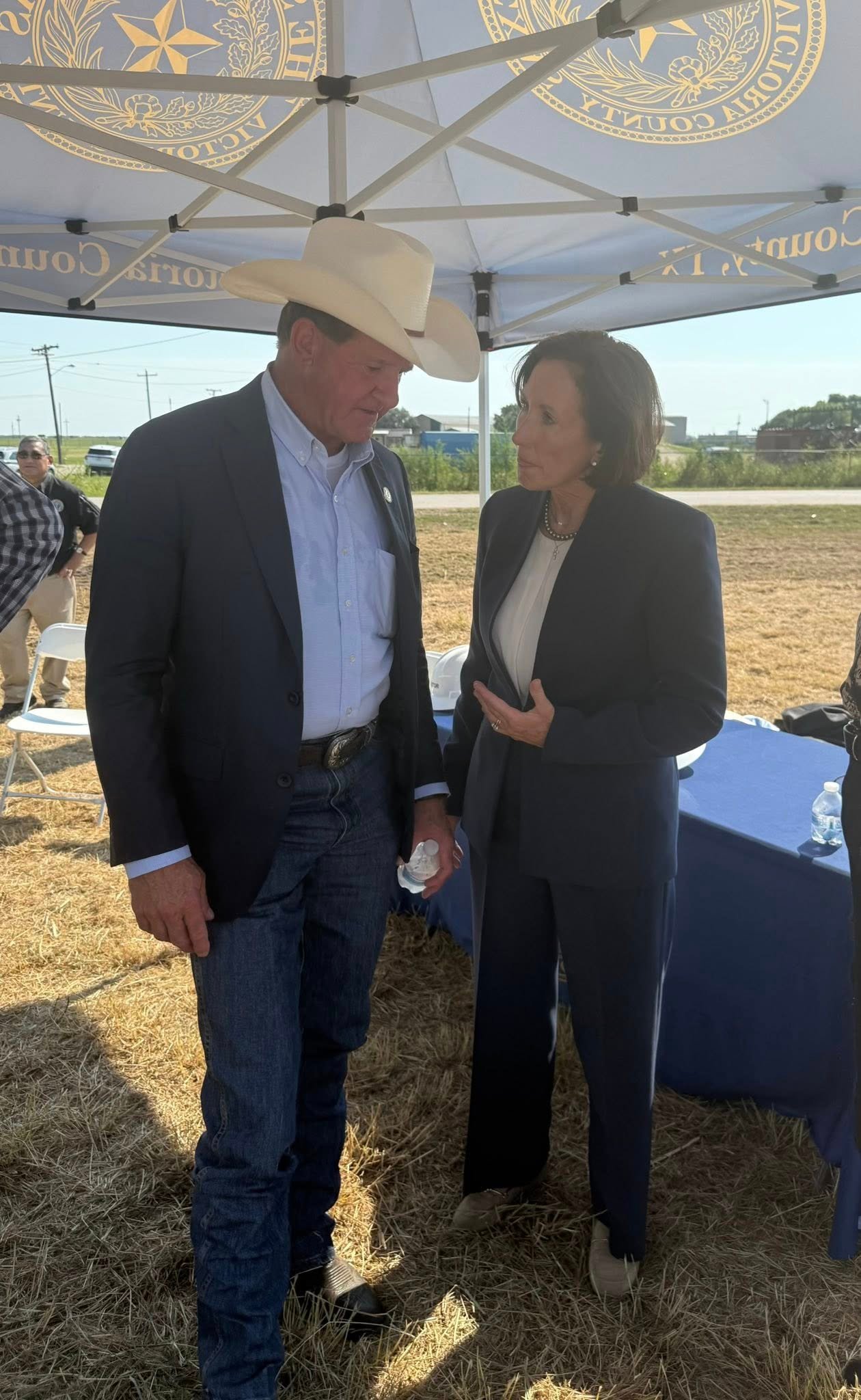
The silence surrounding the 2019 El Paso massacre is telling. A white supremacist, radicalized by Trump-era rhetoric, drove hundreds of miles to murder 23 people in a Walmart. His manifesto echoed the same “invasion” language used by politicians and media figures who now claim to be victims of liberal bias. There were no select committees formed to investigate the ideological pipeline that led to that massacre. No subpoenas for the Facebook groups or political influencers who fed him lies. Instead, we get bills that aim to investigate the SPLC, accuse journalists of inciting violence, and protect figures like Chip Roy and A.J. Louderback, whose social media posts routinely spread hate and misinformation.
The real question isn’t why the SPLC is under attack. It’s who benefits from its silence. Politicians who rely on fear-based messaging to mobilize voters. Law enforcement veterans like Jackson County’s Louderback, who use their platforms to spread anti-immigrant rhetoric under the guise of public safety. And a sprawling media machine — cable hosts, podcasters, influencers — who rake in millions by spewing hate, amplifying conspiracy theories, and turning outrage into revenue. Now, tech billionaires are joining the chorus, eager to control the narrative while dodging accountability. They don’t want watchdogs. They want silence.
This isn’t about protecting the public. It’s about protecting power. Texas lawmakers aren’t writing bills to stop violence — they’re writing bills to stop anyone from exposing it. They’re shielding white nationalist networks, laundering extremist rhetoric through religion, and punishing the watchdogs who dare to name it. They call it patriotism. They wrap it in scripture. But it’s not faith. It’s fear. And it’s being codified into law.
The SPLC isn’t the threat. Journalists aren’t the threat. Immigrants aren’t the threat. The real danger comes from those who criminalize truth-telling, sanctify silence, and build careers on hate. Texans must decide whether we stand with the people who expose violence — or with the ones who legislate its protection.
When lawmakers and billionaires speak like this, watchdogs aren’t the problem — they’re the proof.”
Rep. Chip Roy
- Rep. Chip Roy has made multiple controversial statements that have been widely criticized as hateful or inflammatory toward specific groups, particularly Asian Americans, immigrants, and LGBTQ+ communities.
Rhetoric by Rep. Chip Roy Targeting Mexicans or Mexican Immigrants
Lynching Reference at Anti-Asian Hate Hearing (March 2021)
-
- During a House Judiciary Committee hearing on violence against Asian Americans, Roy said:
- “There’s old sayings in Texas about find all the rope in Texas and get a tall oak tree.”
- The comment, made just days after the Atlanta spa shootings that killed six Asian women, was widely condemned as glorifying lynching.
- Roy doubled down, saying:
- “I meant it. We need more justice and less thought police.”
Rep Chip Roy Request to Investigate Southern Poverty Law C and “Radical Left” (September 2025)
While the comment was aimed at drug traffickers, critics noted the racial undertones and historical lynching references. The remark was condemned by Asian American lawmakers and civil rights groups but also interpreted by some as a veiled threat toward Mexican cartels and border crossers.
- Framing Mexican Cartels as Terrorist Armies
Roy has repeatedly called for designating Mexican drug cartels as foreign terrorist organizations. While this reflects legitimate policy debate, his framing often blurs the line between cartel actors and broader Mexican communities:
- He has described the border as “a war zone” and claimed that “Mexican cartels control our territory.”
- In speeches, he’s referred to cartel violence as “an invasion,” language that civil rights groups say fuels anti-Mexican sentiment.
- “Open Borders Are Killing Americans”
Roy has used graphic language to describe crimes committed by undocumented immigrants, often emphasizing Mexican nationality or origin:
- He has accused the Biden administration of “facilitating the invasion of our borders” through taxpayer-funded programs that assist migrants, many of whom are Mexican.
- Opposition to Legal Protections for Mexican Immigrants
Roy has opposed DACA and other legal protections for undocumented immigrants brought to the U.S. as children, many of whom are Mexican. He’s argued that such programs “reward lawbreaking” and “encourage more illegal crossings.”
SPLC Criticism
- Anti-LGBTQ+ Legislation: The SPLC has flagged Roy’s support for bills that target LGBTQ+ rights, including efforts to defund Pride events and diversity programs in the military, as part of a broader “anti-equality agenda.”
- Association with SPLC-targeted groups: Roy has defended organizations like the Family Research Council and Turning Point USA, which have appeared on SPLC’s “Hate Map.” His recent letter linking SPLC’s reporting to violent incidents has been described by civil rights advocates as inflammatory and conspiratorial.
 ACLU Criticism
- Immigration and Border Policy: The ACLU has condemned Roy’s support for mass deportation policies and his framing of immigration as an “invasion,” arguing that such language dehumanizes migrants and fuels xenophobia.
- Free Speech and Surveillance: Roy’s call for a congressional committee to investigate media, NGOs, and donors has raised alarms about civil liberties and political targeting. The ACLU has warned that such proposals could chill dissent and violate First Amendment protections.
Elon Musk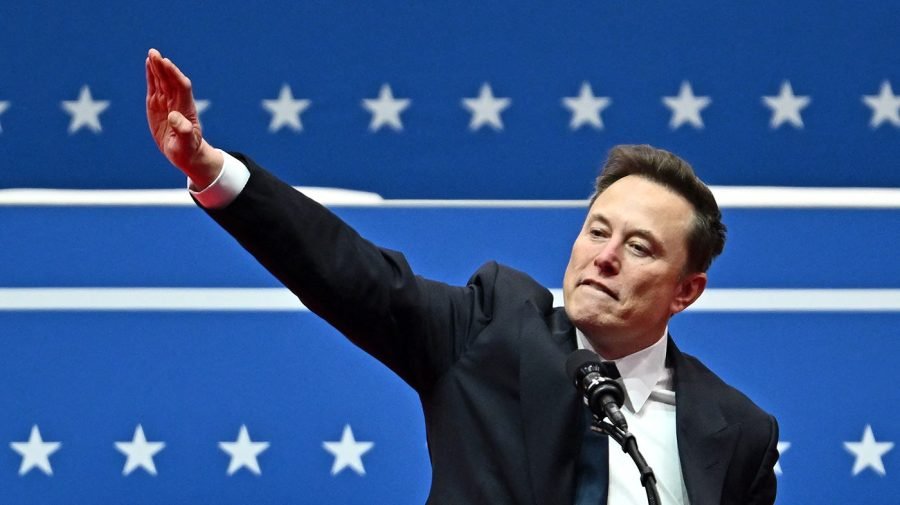
Notable Right-Leaning or Hate-Linked Rhetoric by Elon Musk (2023–2025)
1. Attacks on Civil Rights Organizations
- Musk has repeatedly called the Southern Poverty Law Center (SPLC) “evil,” a “scam,” and a “criminal organization,” demanding it be “shut down”.
- He also labeled the Anti-Defamation League (ADL)—a group founded to combat antisemitism—as a “hate group,” falsely claiming it “hates Christians”.
2. Platforming Extremists on X
- After acquiring Twitter (now X), Musk reinstated banned accounts including Donald Trump and far-right figures like Nick Fuentes, a known neo-Nazi.
- He dismantled content moderation teams and allowed hate speech to flourish, including antisemitic and misogynistic content.
3. Support for Far-Right Movements Globally
- Musk has publicly supported nationalist leaders and movements in Argentina, Italy, the Netherlands, Brazil, and Ireland.
- He encouraged voters in Germany to “move beyond Nazi guilt,” a statement widely condemned as historically insensitive.
4. Amplifying Conspiracy Theories
- Musk promoted claims that the SPLC and ADL were targeting conservatives for political reasons, linking them to violence against figures like Charlie Kirk.
- He echoed vaccine skepticism and election denial rhetoric promoted by Turning Point USA.
5. Engagement with Racist Content
- Musk reportedly subscribed to and financially supported a pro-apartheid X account that glorifies white supremacy in South Africa.
- He posted racist memes targeting Sen. Elizabeth Warren after she called for ethics standards for government-affiliated tech CEOs.
6. Political Donations and Influence
- Musk became the largest political donor in the U.S., contributing over $270 million to support Donald Trump and other Republicans.
- His influence has shaped GOP priorities, especially around deregulation, immigration, and social media control.
AJ Louderback: Rhetoric and Affiliations Echoing White Nationalist Themes
1. Use of “Invasion” Language
- Frequently describes immigration—especially by Mexican and Central American migrants—as an “invasion.”
- This term is widely used in white nationalist manifestos and has been linked to real-world violence, including the El Paso shooting in 2019.
2. Promotion of Border Militarization
- Advocates for militarized enforcement and citizen patrols along the southern border.
- Praises private militias and vigilante groups that have been accused of racial profiling and unlawful detentions.
3. Partnerships with Far-Right Media
- Regular guest on platforms hosted by Steve Bannon, Mike Cernovich, and other figures known for amplifying white nationalist narratives.
- Uses these appearances to promote mass deportation, anti-immigrant conspiracies, and distrust of federal agencies.
4. Framing NGOs and Churches as “Traffickers”
- Accuses humanitarian organizations—including faith-based groups—of “colluding” to smuggle migrants into the U.S.
- This framing mirrors white nationalist claims that globalist or religious institutions are undermining national sovereignty.
5. Opposition to Legal Protections for Immigrants
- Opposes DACA, asylum protections, and refugee resettlement programs.
- Frames legal immigration pathways as “tools of the radical left” and “incentives for lawlessness.”
6. Dehumanizing Language
- Refers to undocumented immigrants as “illegals,” “criminals,” and “invaders” in public posts and interviews.
- Rarely distinguishes between cartel actors and families fleeing violence, contributing to broad stigmatization.
Correction: [Paragraph 4 and 5 …10/3/25 @ 8:25am]