



By: Pat Trevino | April 12, 2026
Texas wakes up every morning to the same sun that rises over the rest of the country, but along its southern corridor, the light falls on a system many residents rarely see: the network of ICE detention centers that hold tens of thousands of migrants every year.
This Sunday, as many of us gather with our families and sit in the quiet of our churches, it is worth pausing to reflect on the responsibility that comes with speaking from the pulpit. For faith leaders who have used their ministry to advance political ideology, this moment calls for honest self‑examination.
Now that the candidates some pastors supported are in positions to shape immigration policy, a simple but profound question must be asked:
Did your words encourage people to love their neighbor — or to fear and persecute him?
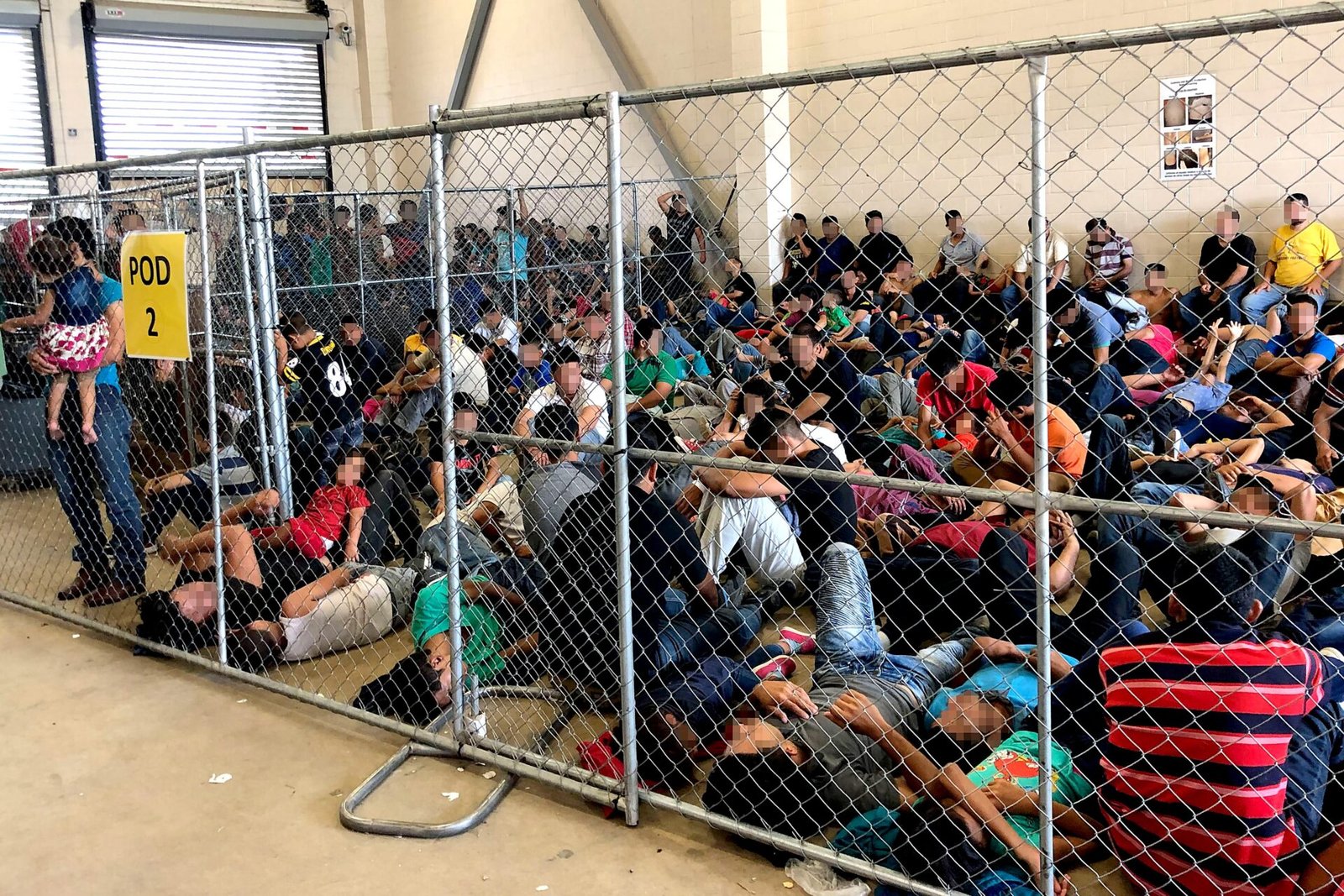
Because today, across Texas, immigrant families are being held in detention centers that resemble prisons more than processing facilities. These centers are not temporary shelters. They are places where parents are separated from children, where asylum seekers wait months or even years for hearings, and where people who have committed no crime beyond crossing a border are confined behind razor wire.
Texas houses more ICE detention facilities than any other state. Publicly available federal data shows:
- The U.S. spends over $3 billion per year on immigration detention.
- The average cost per detainee is $140–$200 per day.
- Private prison companies receive multi‑million‑dollar contracts to operate these facilities.
For many Texans, this raises a question that is both practical and moral: Wouldn’t it be easier — and cheaper — to simply return people to their home countries? Why is detention the default?
The official explanation from ICE includes verifying identity, conducting background checks, ensuring court appearances, and holding individuals subject to mandatory detention. But the data paints a more complicated picture. Many of those detained have no criminal history in the United States. Some are immigrants who are here legally and were detained when they appeared for scheduled hearings. Others are asylum seekers who voluntarily turned themselves in at ports of entry.
So why detain them?
This is where the conversation turns toward something deeper — something uncomfortable, something ancient. A theme that appears throughout Scripture more than almost any other warning:
The love of money.
Not money itself, but the way it can distort judgment, corrupt systems, and harden hearts.
Detention has become a business. A profitable one. Some facilities operate under “guaranteed minimums,” meaning taxpayers pay for empty beds even when they are not used. The more people detained, the more money flows through the system. And when profit becomes intertwined with human confinement and human suffering, the moral cost becomes impossible to ignore.
How must this look to God — a nation placing mothers, fathers, children, and infants behind fences and concrete walls, while telling itself it is for the “good of the country,” even as the financial incentives tell another story?
Faith leaders, of all people, should be the first to demand that policymakers examine this system with honesty and compassion. They should be the first to ask whether we are protecting our communities — or protecting a revenue stream.
Because Scripture does not mince words about our responsibility: Love thy neighbor. Not cage him. Not profit from him. Not turn his suffering into a line item on a contract.
It is not complicated. It is not abstract. It is not political. It is moral.
And if we ignore that — if we allow the love of money to outweigh the love of neighbor — then the question becomes not what happens to the people in detention, but what happens to us. To our integrity. To our witness. To our souls.