



Pat Trevino | January 25, 2026
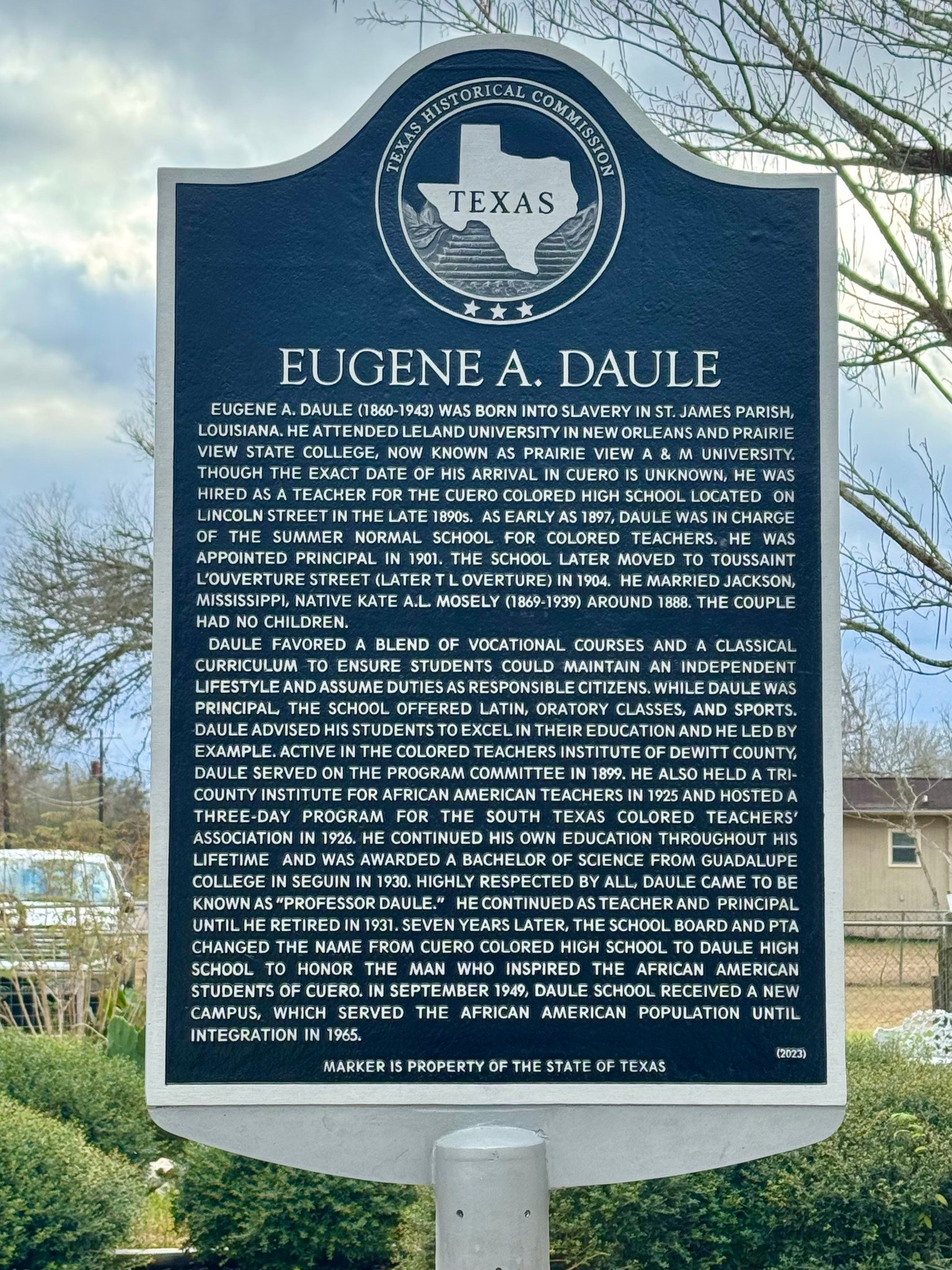
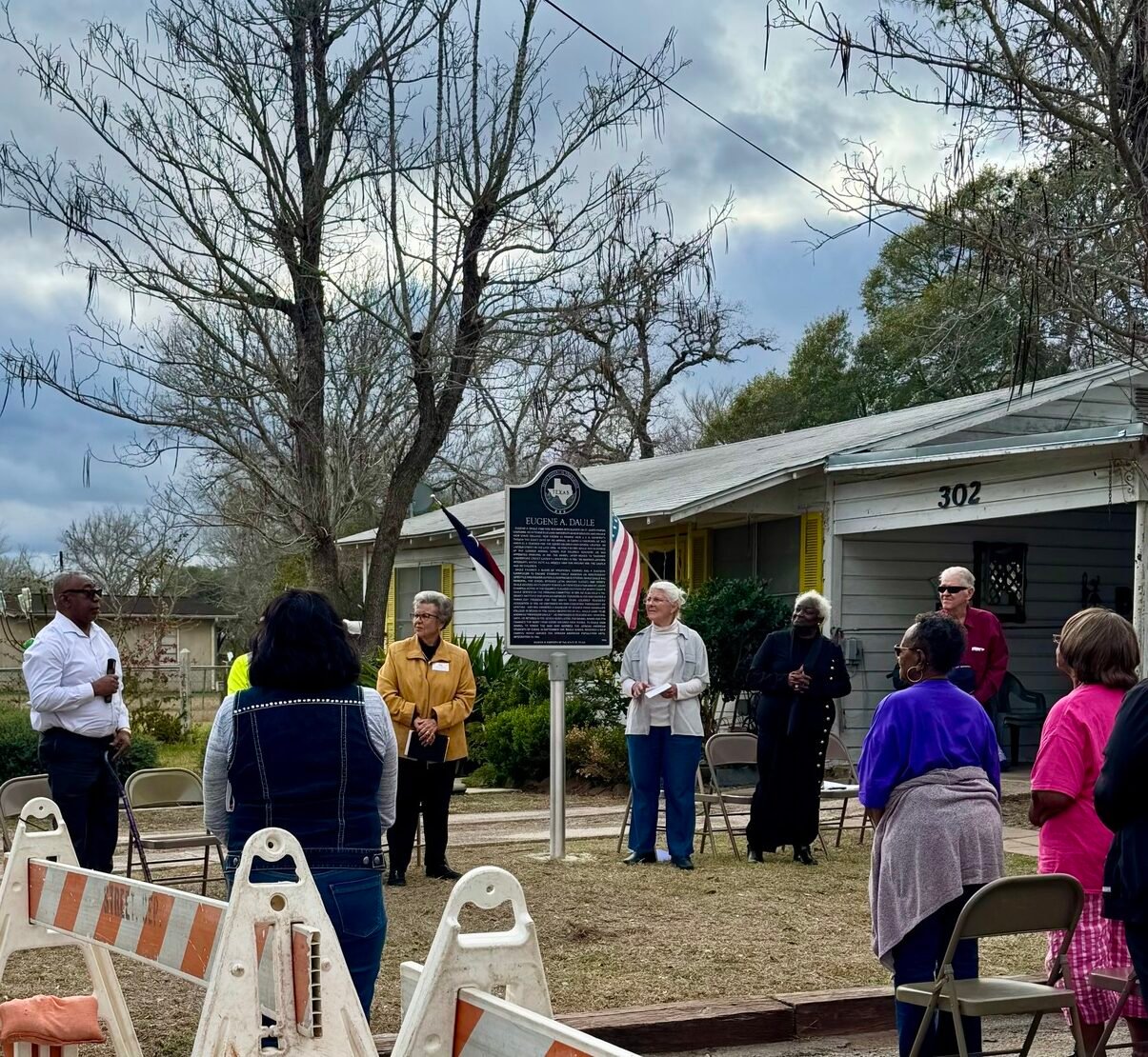
CUERO, TX — In a heartfelt ceremony that united generations of educators, community leaders, and residents, the DeWitt County Historical Commission formally honored the legacy of Professor Eugene A. Daule with the unveiling of a new Texas Historical Marker at the former site of the Daule School, located at 302 T L Overture Street in Cuero.
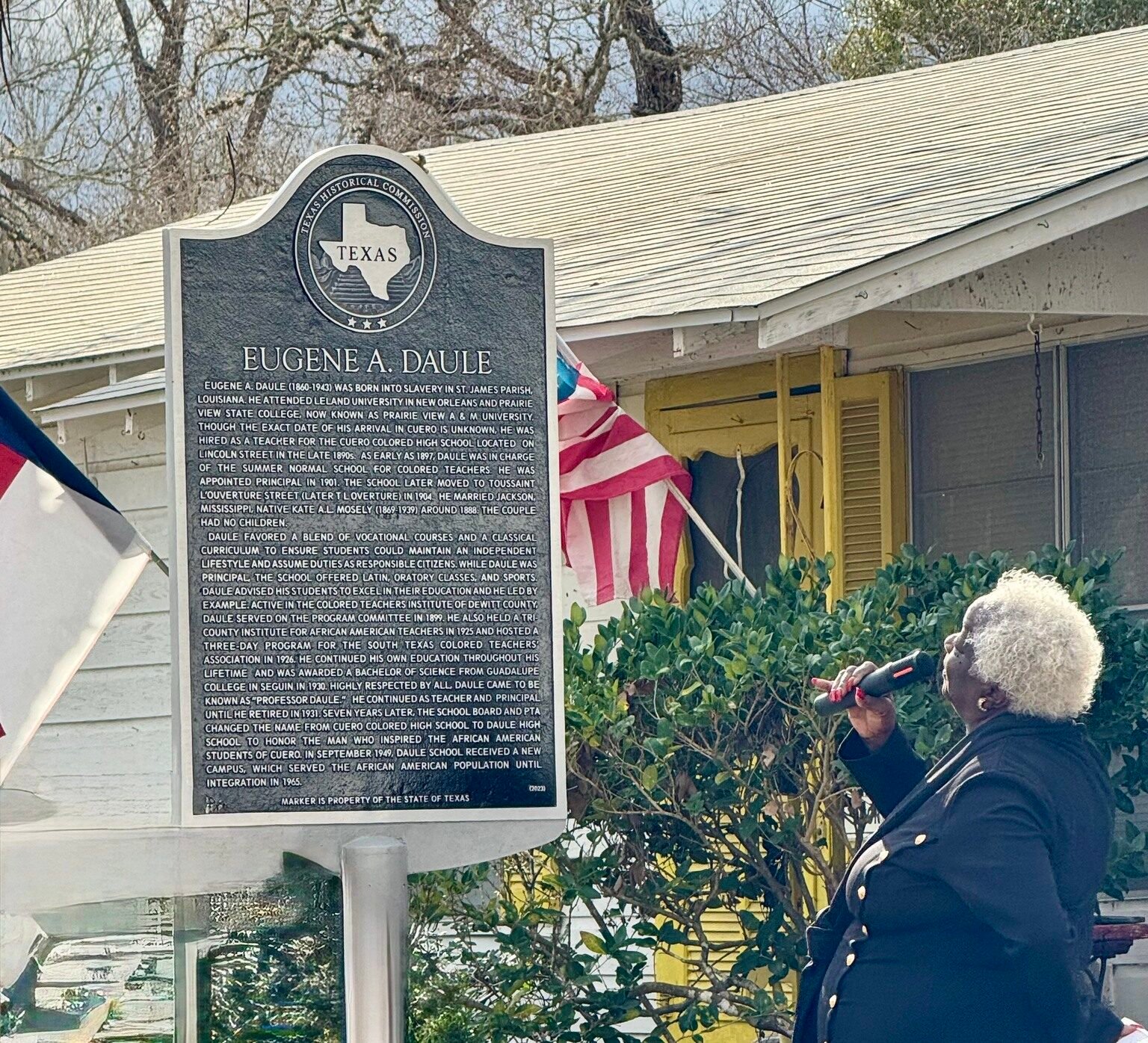
The event, hosted by the Tri-City Empowerment Council and presented by the DeWitt County Historical Commission, marked a powerful moment of remembrance and pride for the African American community and the broader Cuero area. The marker commemorates Daule’s extraordinary contributions to education and civic life, recognizing his role as a pioneering principal, mentor, and advocate for Black students during the early 20th century.
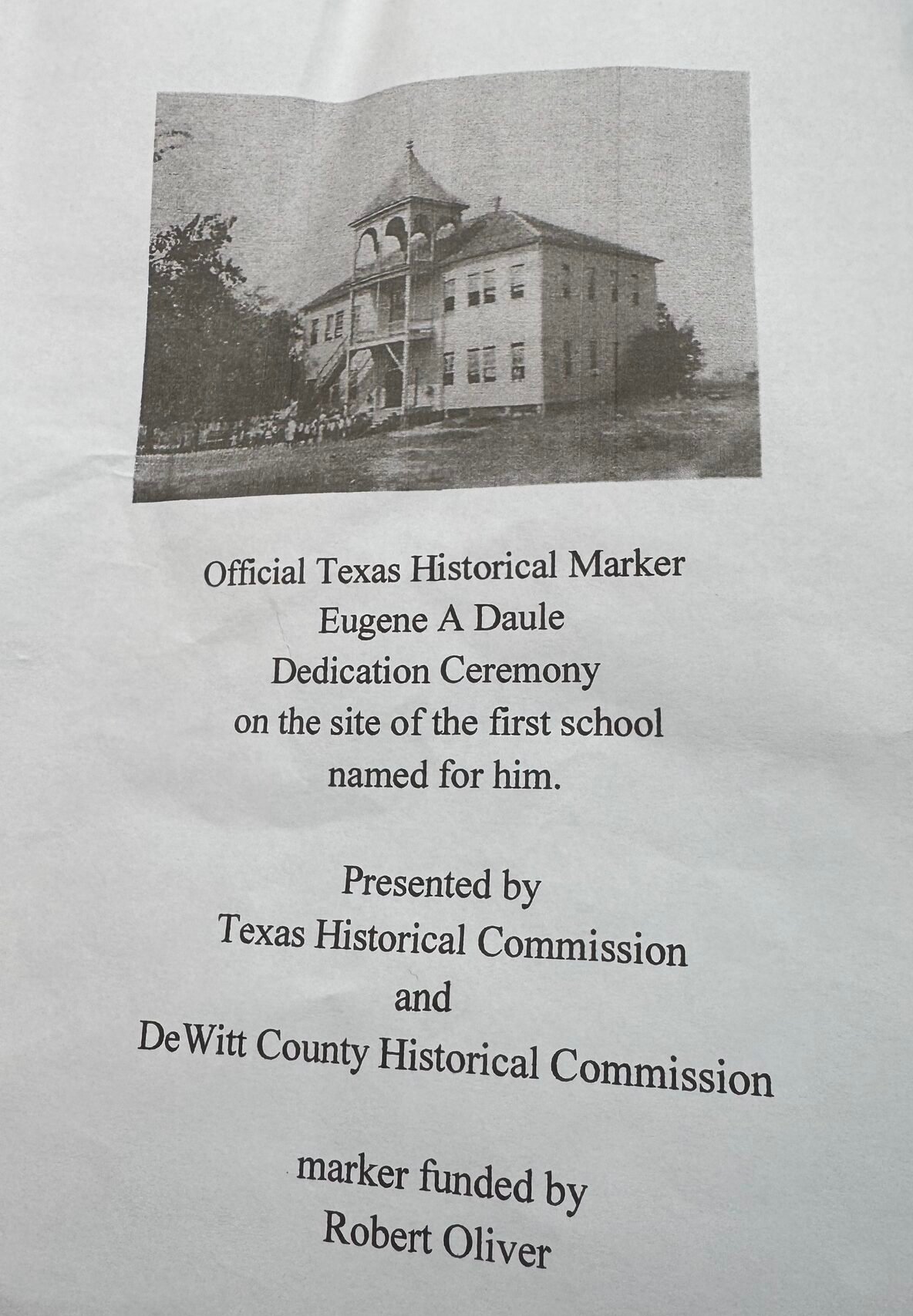
Born into slavery in 1860, Eugene A. Daule rose to become a respected educator and principal of Cuero Colored High School, later renamed Daule High School in his honor. His vision blended classical education with vocational training, empowering students to lead independent, responsible lives. Under his leadership, the school offered Latin, oratory, and athletics—an ambitious curriculum for its time.
“This marker doesn’t just honor a man—it honors a movement,” said one speaker at the dedication. “Mr. Daule believed in the power of education to transform lives, and his legacy continues to shape our community’s values and aspirations.”
The marker now stands at a private residence that once housed the historic school, serving as a permanent reminder of the resilience, excellence, and leadership that defined Daule’s life and work. Attendees included descendants of former students, local officials, educators, and members of the Tri-City Empowerment Council, all gathered to celebrate the enduring impact of a man who inspired generations.
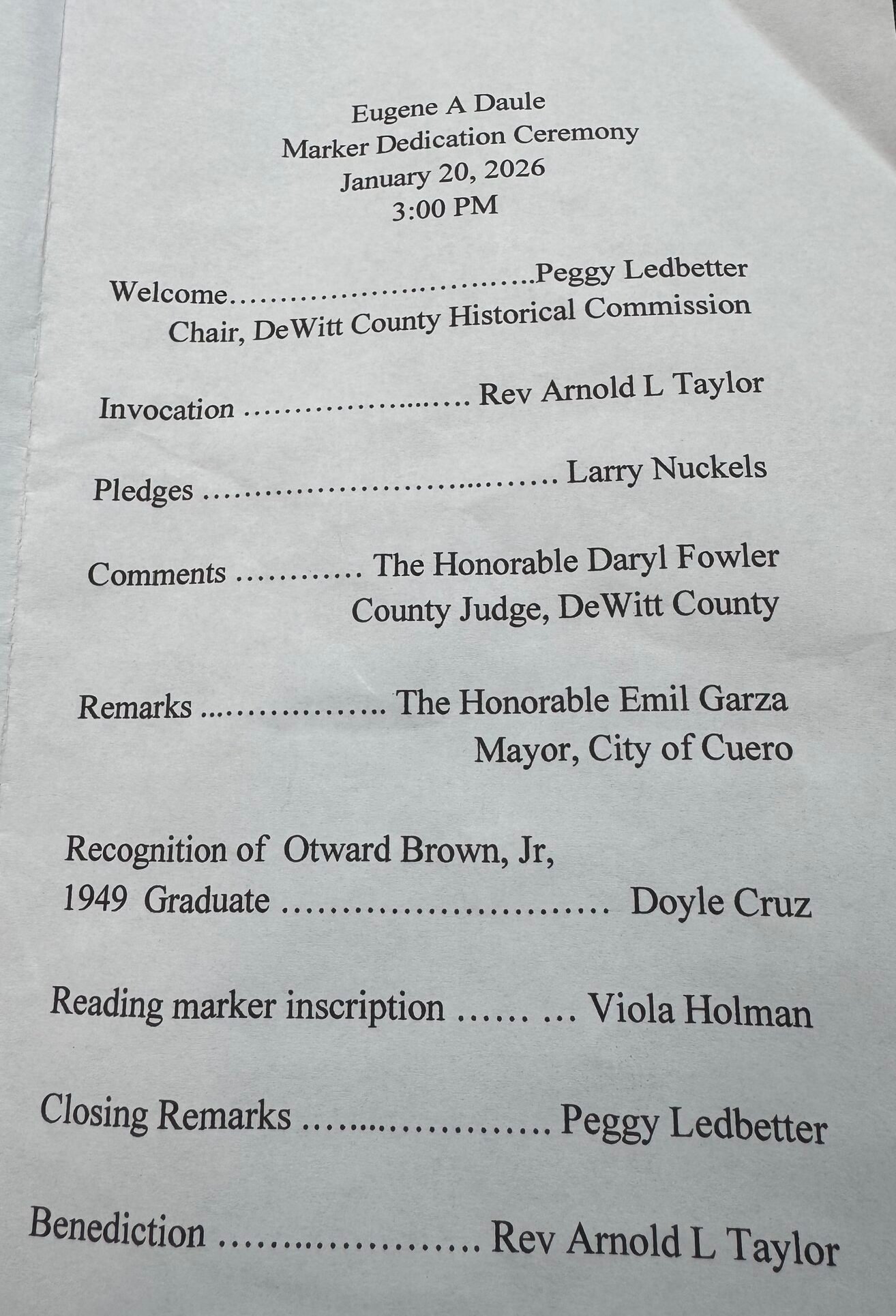
The dedication concluded with a call to continue preserving and sharing Cuero’s rich African American history, ensuring that stories like Daule’s remain visible and valued for years to come.
For more on this event and future historical initiatives, visit the Tri-City Empowerment Council’s page or follow Cuero Online News for ongoing coverage.